
"arable land"
90 article(s) found
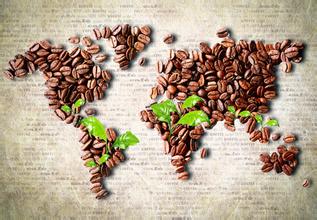
Save Coffee half of the arable land for coffee production will disappear by 2050
It's hard to imagine what it would be like without this rich, bitter black liquid in a world that consumes 1.5 billion cups of coffee a day. But it is not impossible for such a world without coffee to become a reality. Scientists tell us that half of the arable land needed to produce coffee will disappear by 2050. Arabica, the most consumed coffee variety in the world, will be in the wild by 2080.

Coffee from South Africa
The country's coffee trees originated in Kenya and are of excellent quality. Only 1000 hectares of arable land was used to grow coffee trees in 1975, but a new nine-year plan was developed in 1987 to expand the area of arable land, resulting in an additional 6000 hectares of arable land. Coffee production in South Africa: coffee production in South Africa (SouthAfrica) is mainly concentrated in the northeast of the country, by Lesotho (Lesotho) and Mozambique

A global coffee producer in South Africa.
The country's coffee trees originated in Kenya and are of excellent quality. Only 1000 hectares of arable land was used to grow coffee trees in 1975, but a new nine-year plan was developed in 1987 to expand the area of arable land, resulting in an additional 6000 hectares of arable land. Coffee production in South Africa: coffee production in South Africa (SouthAfrica) is mainly concentrated in the northeast of the country, by Lesotho (Lesotho) and Mozambique

Global Coffee producing area-South Africa Coffee Market
The country's coffee trees originated in Kenya and are of excellent quality. Only 1000 hectares of arable land was used to grow coffee trees in 1975, but a new nine-year plan was developed in 1987 to expand the area of arable land, resulting in an additional 6000 hectares of arable land. Coffee production in South Africa: coffee production in South Africa (SouthAfrica) is mainly concentrated in the northeast of the country, by Lesotho (Lesotho) and Mozambique

In a world that consumes 1.5 billion cups of coffee a day, half of the arable land for coffee production will disappear by 2050.
Half the coffee belt will disappear? The most popular beverage crop in the world can not grow everywhere. On the contrary, the growing area of coffee trees is very limited. Climate is the decisive factor in coffee cultivation, and coffee trees are only suitable for growing in the tropics or subtropics. The zone between latitude 25 degrees north and south is the most suitable for growing coffee. And this coffee production zone is generally called coffee belt or coffee.

South African coffee characteristics and flavor description of South African coffee
The country's coffee trees originated in Kenya and are of excellent quality. Only 1000 hectares of arable land was used to grow coffee trees in 1975, but a new nine-year plan was developed in 1987 to expand the area of arable land, resulting in an additional 6000 hectares of arable land. Coffee production in South Africa: coffee production in South Africa (SouthAfrica) is mainly concentrated in the northeast of the country, by Lesotho (Lesotho) and Mozambique

The basic introduction of South African Coffee the characteristics of South African coffee the quality of South African coffee the style of South African coffee
The country's coffee trees originated in Kenya and are of excellent quality. Only 1000 hectares of arable land was used to grow coffee trees in 1975, but a new nine-year plan was developed in 1987 to expand the area of arable land, resulting in an additional 6000 hectares of arable land. Coffee production in South Africa: coffee production in South Africa (SouthAfrica) is mainly concentrated in the northeast of the country, by Lesotho (Lesotho) and Mozambique
Coffee in South Africa
The country's coffee trees originate in Kenya and are of excellent quality. In 1975, only 1000 hectares of arable land was devoted to coffee cultivation, but in 1987 a new nine-year plan was drawn up to expand the area of arable land, resulting in an additional 6000 hectares. Coffee production in South Africa is mainly concentrated in the northeast of the country, with Lesotho and Mozambique producing coffee.

South African coffee beans are produced in South Africa.
The country's coffee trees originate in Kenya and are of excellent quality. In 1975, only 1000 hectares of arable land was devoted to coffee cultivation, but in 1987 a new nine-year plan was drawn up to expand the area of arable land, resulting in an additional 6000 hectares. Coffee production in South Africa is mainly concentrated in the northeast of the country, with Lesotho and Mozambique producing coffee.

With the climate warming, coffee is facing the double threat of the loss of arable land and the reduction of bees.
Professional baristas exchange please follow the coffee workshop (Wechat official account cafe_style) the total amount of land suitable for coffee farming is expected to decline by 73% to 88% by 2050, the lead author told carbon brief. Most importantly, bees play a key role in pollinating coffee plant species that can incidentally be as high as 18% due to climate change. This study is the first to be investigated.

Panamanian Cupid Coffee Flavor description Grinding degree treatment method introduction to baking degree
Land resources Panamanian land use: arable land accounts for 8.9%, permanent pastures account for 20.0%, forests and woodland account for 43.0%, others account for 28.1%; per capita arable land accounts for 0.6 mu. [2] Mineral resources Panama is rich in mineral resources, but it is not exploited much, and the scale of the mine is relatively large.

Bright taste of Panamanian Ireta Manor Coffee Flavor characteristics Fine Coffee introduction
Panamanian land use: arable land accounts for 8.9%, permanent pastures account for 20.0%, forests and woodland account for 43.0%, others account for 28.1%; per capita arable land accounts for 0.6 acres. [2] Mineral resources Panama is rich in mineral resources, but it is not exploited much, and the scale of the mine is relatively large.

Introduction to the characteristics of Panamanian Rosa Coffee Flavor and Taste Manor
Land resources Panamanian land use: arable land accounts for 8.9%, permanent pastures account for 20.0%, forests and woodland account for 43.0%, others account for 28.1%; per capita arable land accounts for 0.6 mu. [2] Mineral resources Panama is rich in mineral resources, but it is not exploited much, and the scale of the mine is relatively large.

Introduction to the characteristics of coffee flavor and taste area of Caesar Louis Manor in Panama with clean taste
Panamanian land use: arable land accounts for 8.9%, permanent pastures account for 20.0%, forests and woodland account for 43.0%, others account for 28.1%; per capita arable land accounts for 0.6 acres. [2] Mineral resources Panama is rich in mineral resources, but it is not exploited much, and the scale of the mine is relatively large.

Introduction to the characteristics of Panamanian Coffee Flavor Manor with medium Alcohol thickness
Panamanian land use: arable land accounts for 8.9%, permanent pastures account for 20.0%, forests and woodland account for 43.0%, others account for 28.1%; per capita arable land accounts for 0.6 acres. [2] Panama is rich in mineral resources, but it is not exploited much, and the scale of the mine is relatively large.
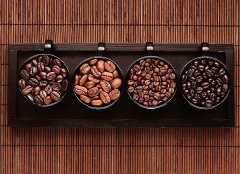
With the global warming, the production of boutique coffee may be reduced.
Half of the arable land needed to produce coffee will disappear by 2050. This is the result of a new research model that assesses how climate change will change the conditions under which coffee beans grow, such as temperature and rainfall. The researchers first acquired Arabica Coffee (coffeaarabica) and Robusta Coffee (coffea), the two main coffee species currently used in the world.

Introduction to the flavor and taste of high-quality coffee beans in Panama Cupid coffee producing area
Panamanian land use: arable land accounts for 8.9%, permanent pastures account for 20.0%, forests and woodland account for 43.0%, others account for 28.1%; per capita arable land accounts for 0.6 acres. [2] Mineral resources Panama is rich in mineral resources, but it is not exploited much, and the scale of the mine is relatively large.

Special flavor of Panamanian Cupid Coffee Manor flavor and taste characteristics of boutique coffee beans
Land resources Panamanian land use: arable land accounts for 8.9%, permanent pastures account for 20.0%, forests and woodland account for 43.0%, others account for 28.1%; per capita arable land accounts for 0.6 mu. [2] Panama is rich in mineral resources, but it is not exploited much, and the scale of the mine is relatively large.
Starting with Coffee beans (35)-Africa-South Africa
It is fragrant with less acidity, reminiscent of coffee beans from Central America. Coffee production in South Africa (South Africa) is mainly in the northeast of the country, from Natal between Transvaal and Mozambique, extending northward to Transvaal, with the southernmost limit of latitude 30 south; further south, coffee cannot be grown due to the harm of early frost.
Global coffee producing area-South Africa
The country's coffee trees originated in Kenya and are of excellent quality.